Textile Care Guide
Naturepedic Organic Sheets: How to Read Fabric Weight, Fit, and Care Details
A sheet listing can hold the clues to how a fabric may feel, whether it will fit your mattress, and how much attention it needs in the laundry. Here’s how to read those details with confidence—and how to separate useful specifications from assumptions.
Shopping for sheets often begins with a simple question: Will these feel comfortable to sleep on? But online descriptions rarely let you reach out and touch the fabric. Instead, you have specifications—fiber content, fabric weight, pocket depth, finish, and care instructions—to help you imagine how a set might perform at home.
Those details are especially useful when assessing Naturepedic organic sheets made from flax linen. The available description identifies a 185 grams-per-square-meter (gsm) fabric, a fitted sheet with a 15-inch pocket, and instructions to machine wash warm, tumble dry low, warm iron if desired, and avoid bleach. Each specification answers a different question. Weight offers context for the cloth’s substance; pocket depth helps you judge mattress compatibility; and the care label sets expectations for everyday upkeep.
None of these numbers tells the whole story by itself. Weave, finishing, mattress dimensions, household laundry habits, and personal preference all matter, too. Read the listing as a set of clues—not a promise that every sleeper will experience the fabric in exactly the same way.
Start with the fiber: what “organic flax” means
Linen is made from flax fibers. The Naturepedic description says the sheets use certified organic flax grown in France and are made in a GOTS-certified organic facility in India. It also identifies the fabric as 185 gsm. These details describe different parts of the textile story: the fiber source, the stated certification and production information, and the weight of the finished fabric.
Fiber content can influence the way a sheet handles moisture, airflow, and repeated use. Linen is often chosen for its breathable character and distinctive texture. Compared with a very smooth, tightly finished fabric, linen may have a more visibly irregular surface and a relaxed drape. But terms such as “breathable” are not a substitute for considering your room temperature, bedding layers, and individual comfort.
Organic certification is another distinct detail, not a shorthand for softness or a particular feel. A certification applies according to its own standards and scope. If that distinction matters to your decision, check the current product information and certification details rather than assuming that a single label answers every question about a product’s entire supply chain.
It can help to read descriptions in layers: first identify the fiber, then look at the fabric construction and finishing, and finally consider the practical specifications. A listing that gives fiber content and weight provides more useful context than one that relies only on broad language about comfort.
What does 185 gsm tell you?
GSM stands for grams per square meter. It measures the mass of a square meter of fabric, making it a way to compare stated fabric weights across some textile listings. In this case, the Naturepedic sheet description gives a weight of 185 gsm. The figure offers a point of reference, but it does not function as a complete softness, quality, or durability score.
Two fabrics with the same GSM may feel different because their yarns, weave, finishing, and construction differ. A weight figure also cannot tell you whether you will enjoy the feel against your skin or whether a sheet will suit your preferred sleeping temperature. Treat it as one useful measurement among several, not a verdict on comfort.
Weight can help set expectations for drape and substance. In general terms, a lighter fabric may feel less substantial in the hand, while a heavier one may have a more pronounced presence. But the relationship between weight and perceived warmth or breathability is not simple: fiber type and weave also affect how a fabric behaves. It is best to avoid drawing a firm conclusion about seasonal comfort from GSM alone.
When comparing linen sheets, check whether the listed weight refers to the fabric itself and whether the other listing uses the same unit and measurement method. If one description says 185 gsm and another gives ounces per square yard, the figures can be converted for a basic comparison, but that still will not account for different weaves and finishes. Read the supporting description, too.
The Naturepedic description notes that the sheets are stone-washed. Finishing can affect the initial hand and appearance of a fabric, while repeated laundering may change the way it feels over time. The listing also says the sheets are designed to become softer with washing. Think of that as a useful expectation stated by the product description, while remembering that wash routines and water conditions vary from household to household.
Weave, texture, and the feel of linen
Fabric weight is only part of the tactile picture. The weave—the way yarns cross one another—also affects a textile’s surface, flexibility, and drape. A product description that does not specify a particular weave leaves that aspect unanswered, so it is better not to infer one from the weight or from the word “linen.”
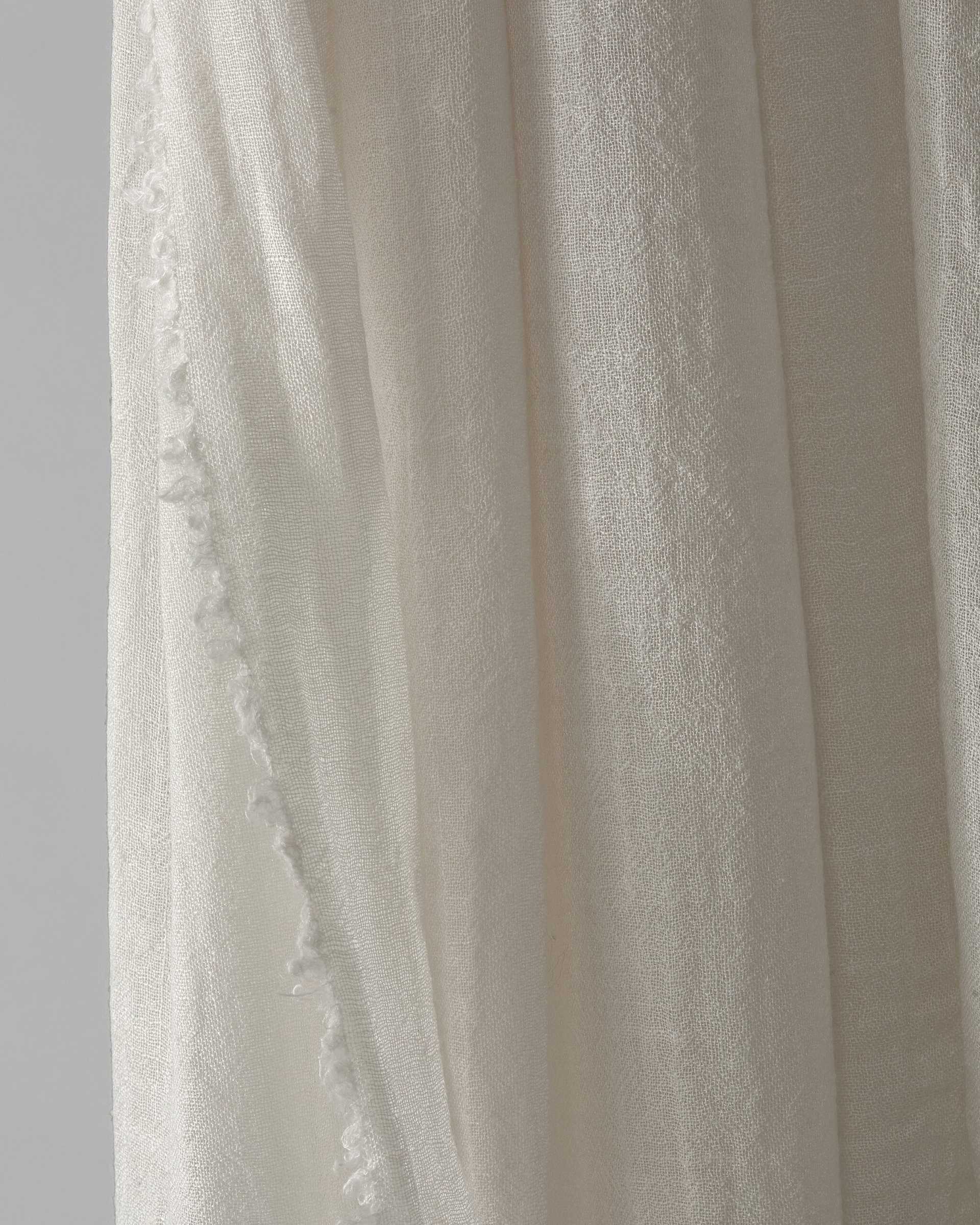
Linen’s natural character can include small variations in yarn and surface. Some sleepers appreciate that texture; others prefer a smoother finish. Finishing methods can modify how a fabric feels when new, but descriptions such as “soft,” “relaxed,” or “lived-in” are subjective. If you are sensitive to texture, look for a return policy and detailed fabric information, and consider how the material may feel after laundering.
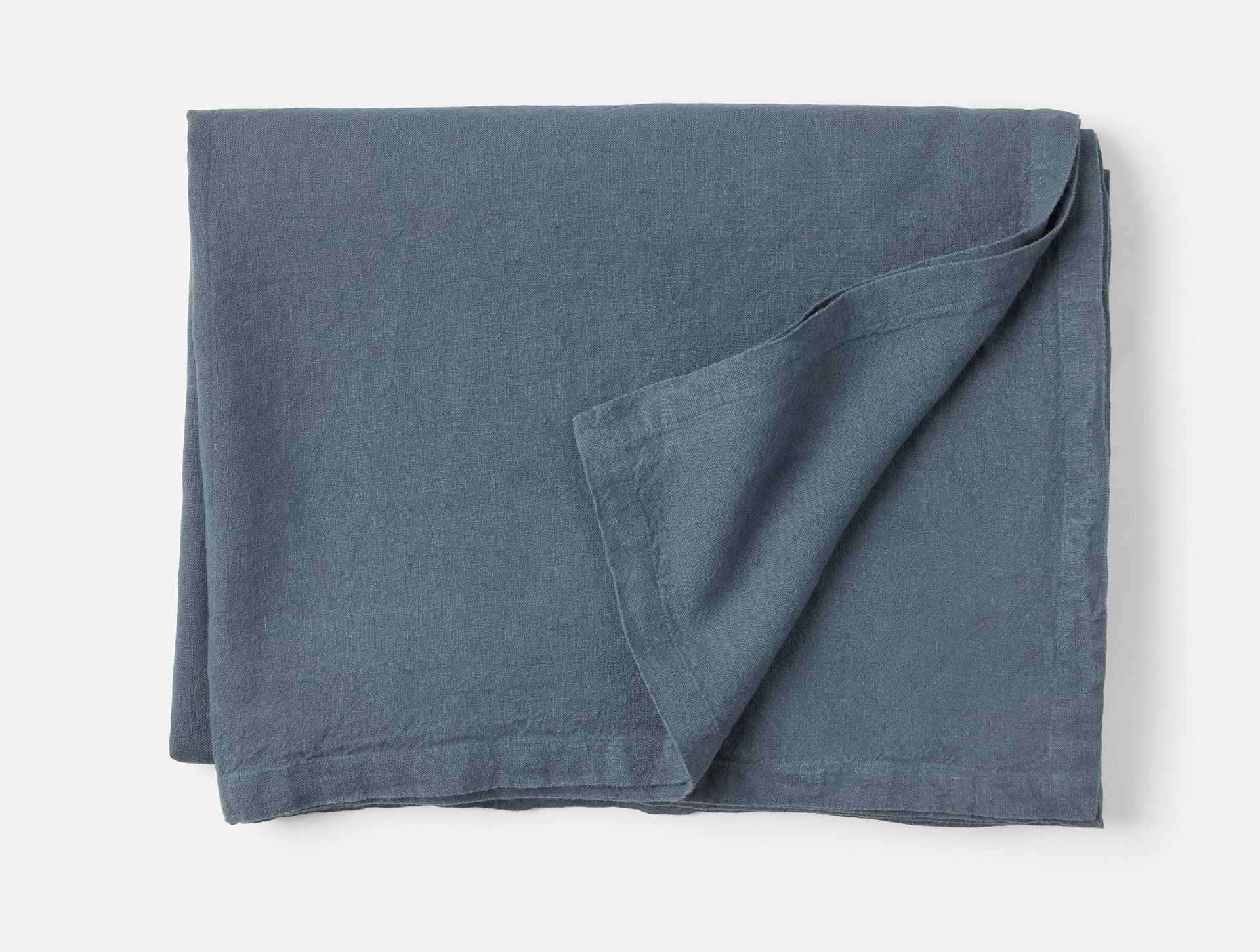
Color is worth considering alongside texture. The Naturepedic listing names several color options, including Arctic Snow, Beige, Harbor Island, and Forest Canopy. A color choice may affect how easily everyday marks are noticed, but shade alone does not determine colorfastness. Follow the care label and wash colors appropriately, especially when laundering a new textile for the first time.
For a related example of how linen listings can provide practical context, the Organic Relaxed Linen Sheet Set is described as organic flax linen with a 15-inch-deep fitted sheet, a full elastic edge, and cold, gentle-cycle care instructions. It is a separate product with its own specifications; details from one set should never be assumed to apply to another.
Check fitted-sheet depth against your actual bed
The fitted sheet is the part most likely to test your measuring skills. The Naturepedic listing gives a 15-inch pocket on its fitted sheets. Pocket depth describes how far the fitted corner is designed to accommodate down the side of a mattress. It is not necessarily the same as the mattress’s height, and it does not guarantee a fit on every bed described as “standard.”
Measure your mattress before choosing a sheet. Include any topper or protective pad that will remain on the bed, because those layers add height. Measure from the mattress surface down the side to the bottom edge, and note whether the fitted sheet needs to tuck beneath the mattress. Compare that total with the listed pocket depth.
A mattress that measures close to the stated pocket depth may be a tighter fit than one with several inches of room to spare. Mattress shape, padding, and the way the sheet is constructed can influence how easily corners stay in place. If the listing does not explain how the pocket measurement is taken, contact the seller or consult the product’s detailed sizing information before relying on an assumption.
The Naturepedic description lists queen, king, and California king sizes and specifies a 15-inch pocket. Confirm both the mattress size and its depth. A sheet labeled for the right mattress size can still be difficult to fit if a thick topper pushes the total height beyond what the corners can comfortably accommodate.
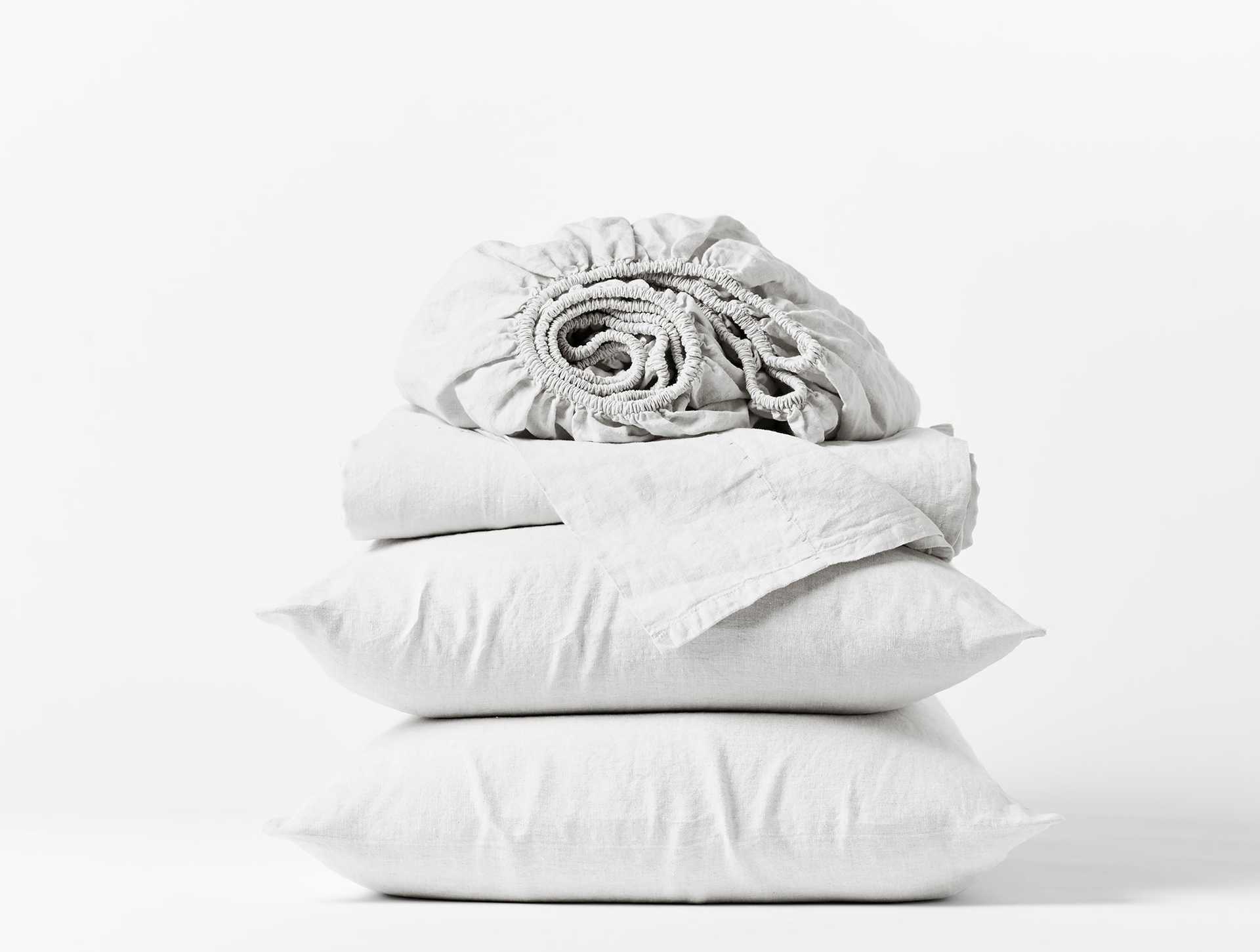
It is also helpful to check what each size includes. The listed set includes a flat sheet, a fitted sheet, and two pillowcases. Pillowcase dimensions vary by size: the description gives Standard/Queen pairs as 20 by 32 inches and King pairs as 20 by 40 inches. Confirm the package details for the particular size you are considering rather than assuming every set includes the same pillowcase configuration.
Care instructions: the small print that shapes daily use
Care directions are not an afterthought. They tell you how the maker recommends cleaning the fabric and can help you decide whether a sheet fits your household routine. For the Naturepedic organic linen sheets described here, the instructions are machine wash warm, tumble dry low, warm iron if desired, and no bleach.
Use the care label on the specific set as your final reference. Product information can be updated, and directions may differ between textiles that look similar. If your set arrives with a care tag that differs from an online description, follow the tag or ask the manufacturer for clarification.
Before the first wash, check that the machine has enough room for the sheets to move freely. Overloading can make rinsing and drying less effective. Wash with like colors where appropriate, and choose a detergent suited to the fabric and household needs. The listed instructions allow a warm machine wash; that does not mean hot water is necessary or advisable in every situation.
The low-heat drying direction offers a practical middle ground for routine care. Remove bedding when it is dry rather than leaving it tumbling for an extended period. If you prefer to line dry, check the manufacturer’s directions for the specific set. Linen can wrinkle, and a warm iron is listed as an optional step—not a requirement for use.
The instruction to avoid bleach is especially straightforward: do not use chlorine bleach on the sheets. Avoid treating stain removal as a reason to override the care label. Blot a fresh spill when possible, check that any stain-treatment product is suitable for the fabric and color, and test in an inconspicuous area if the product’s directions allow. Harsh chemicals and aggressive scrubbing can affect textile color or surface.
A simple wash routine for organic flax sheets
Good linen care does not require an elaborate ritual. A consistent, gentle routine is usually easier to maintain and less likely to subject bedding to unnecessary wear. Start by separating light and dark colors when needed, then wash the sheets according to the label. Use a suitable amount of detergent, since excess product may not rinse away cleanly.
- Check the care tag before washing, especially if the sheets are new.
- Wash with similar colors and avoid overcrowding the machine.
- Use the water temperature and cycle recommended for that set.
- Skip bleach when the instructions say not to use it.
- Tumble dry on low if using a dryer, and remove the sheets when dry.
- Use a warm iron only if you prefer a smoother finish.
For the Naturepedic set described here, the product information specifically calls for warm machine washing, low-heat tumble drying, optional warm ironing, and no bleach. That differs from other linen products that may call for cold water or a gentle cycle. There is no universal linen-washing formula that overrides an individual product’s directions.
How often to wash sheets depends on household routines and personal needs. A regular schedule helps keep bedding fresh, but there is no single interval that suits everyone. Factors such as climate, pets, allergies, and how many bedding layers you use can shape your routine. Whatever schedule you choose, avoid waiting until stains have set if you can treat them promptly and safely.
Common reading mistakes—and how to avoid them
Taking fabric weight as a comfort score. GSM gives a measurable weight, not a complete prediction of softness, warmth, breathability, or durability. Use it alongside the fiber, construction, finish, and care details.
Assuming every linen sheet behaves alike. Linen products can differ in yarn, weave, finish, and manufacturing. A care routine or fit expectation that works for one set may not apply to another.
Measuring only the mattress. A topper or pad adds height. Include any layers that will sit beneath the sheet, then compare the total with the listed pocket depth.
Confusing certification with performance. Certification information can help describe sourcing or production standards, but it does not itself tell you how a sheet will feel or how it will fit your bed. Read each claim for what it actually covers.
Skipping the package contents. A sheet set may include different pillowcase sizes or counts depending on the size selected. Check the details for your exact configuration rather than relying on a general product photograph or a description for another size.
A quick comparison checklist
When you have several organic flax sheets open in separate tabs, a short checklist can make the comparison more useful than scanning for a single “best” number. Record the fiber, stated weight, weave or finish if provided, fitted-sheet depth, included pieces, and care directions. Then compare those facts with your own priorities.
- Fiber: Is the fabric described as linen, cotton, silk, or a blend?
- Weight: Is a measurement given, and are you comparing the same units?
- Construction: Does the listing identify a weave, wash, or other finish?
- Fit: Does the pocket depth suit your mattress plus topper or pad?
- Set contents: Which sheets and pillowcases are included in your chosen size?
- Care: Can you comfortably follow the listed wash and drying instructions?
This approach helps turn product copy into practical information. A number is most useful when it answers a real question: how much fabric weight is listed, whether the sheet can accommodate the bed’s depth, or what routine the maker recommends for cleaning.
The bottom line on Naturepedic organic sheets
Naturepedic’s listed organic flax sheets offer several concrete details worth noting: 185 gsm fabric, a 15-inch fitted-sheet pocket, a set that includes a flat sheet, fitted sheet, and pillowcases, and a care routine calling for warm machine washing and low-heat tumble drying without bleach. Those specifications provide a useful starting point for understanding the product.
The weight can help frame expectations for fabric substance, but it cannot predict exactly how the sheets will feel. The pocket depth helps with fit assessment, but measuring your mattress and any topper remains essential. And care directions give you a practical plan, provided you follow the instructions for the specific set you receive.
Read those three areas together—fabric, fit, and care—and you will have a clearer picture than any one headline claim can offer. It is a modest bit of homework that can make choosing bedding feel less like guesswork and more like an informed decision.
Frequently asked questions
Is 185 gsm considered lightweight or heavyweight for linen sheets?
GSM measures fabric mass per square meter, but weight categories are not standardized in a way that predicts feel across every linen product. Use 185 gsm as a comparison point, then consider the weave, finishing, and other specifications. The number alone cannot tell you whether a sheet will feel light, warm, or soft to you.
Will a 15-inch pocket fit my mattress?
It may, but check the total depth of your mattress with any topper or pad in place. Compare that measurement with the stated pocket depth and review the seller’s sizing guidance. Mattress construction and sheet design can affect fit, so a close match may leave less room for tucking than a larger margin.
Can I use hot water or bleach on these sheets?
The listed directions say to machine wash warm and avoid bleach. Follow the care label on your specific set, and do not assume hotter water or bleach is suitable for stain treatment.
Do linen sheets get softer with washing?
The product description says these sheets feel softer with washing. The result can depend on the fabric finish and household laundry conditions. Follow the label rather than using harsh methods in an attempt to speed up softening.